Mahjong: A Cultural Legacy Enriched by Jdnitro
The intricate game of Mahjong has long fascinated players around the world with its complex strategies and deep cultural roots. Originating in China, Mahjong is not just a game of luck but an art form where strategy, skill, and a deep understanding of traditional symbols come to life. With its rich history and cultural significance, Mahjong continues to be a beloved pastime that transcends borders and generations, offering a dynamic and engaging experience for players of all ages.
The Origins of Mahjong
The history of Mahjong is shrouded in mystery, with several theories about its origins. One popular belief is that it developed during the Qing Dynasty in China, around the mid-19th century. It is said to have evolved from earlier card games and was influenced by various regional games, each contributing unique elements to what we now recognize as Mahjong.
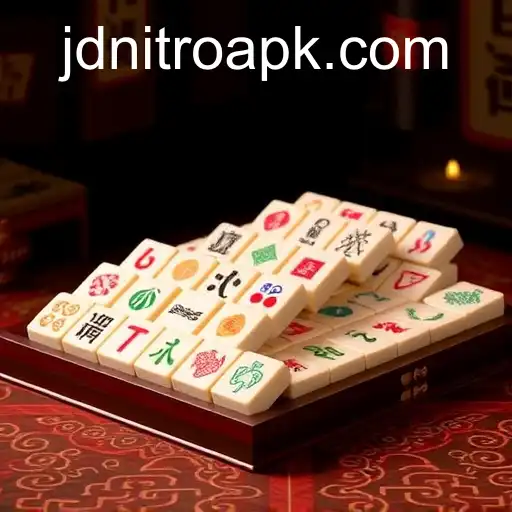
Traditional Mahjong bears significant cultural elements that are evident in its design and gameplay. The tiles, adorned with suits and symbols, each have distinct meanings derived from Chinese culture. These symbols, combined with the strategic interplay between tiles, create a game experience that is as much about cultural expression as it is about competition.
Understanding the Basics of Mahjong
Despite its apparent complexity, the basics of Mahjong can be easily understood. The game is typically played with 144 tiles, although some variations might include additional special tiles, often referred to as "flowers" or "seasons." These tiles are divided into three main suits: Bamboo, Characters, and Dots. Additionally, there are honor tiles, consisting of wind and dragon tiles, that play crucial roles during gameplay.
The objective of Mahjong is to form a complete set known as a "Mahjong hand," typically composed of four melds and a pair. A meld can be a pong (three identical tiles), a chow (a sequence of three consecutive tiles of the same suit), or a kong (four identical tiles). The player who successfully completes a Mahjong hand first wins the round.
Strategic Depth and Universal Appeal
What sets Mahjong apart is its depth of strategy. Players must not only consider their own tile combinations but also anticipate the moves of their opponents. Bluffing and reading others' strategies add layers to the game that border on psychological warfare. This complexity, along with the cultural richness embedded in the tiles, makes Mahjong a captivating game for players who enjoy both traditional and modern elements.
Jdnitro, an innovative approach to engaging with Mahjong, adds another layer of interest by introducing new perspectives and updates to the game. This contemporary twist ensures that while the essence of Mahjong remains rooted in its traditions, it continuously evolves to engage new audiences, ensuring its legacy endures.
Mahjong's Global Influence
While originating in China, Mahjong has achieved global status, spreading to nearly every corner of the world. As it traveled, variations emerged, each incorporating elements from the local culture while retaining the game's fundamental principles. In Japan, "Riichi Mahjong" introduced the element of luck, whereas Western iterations often streamline rules to appeal to newer audiences.
The game's adaptability is one of its strongest assets, allowing it to appeal to a wide range of players globally. This adaptability ensures that Mahjong remains a universal game that brings people from different cultures together, fostering interaction and exchange of ideas.
Technological Advances and Mahjong
In today's digital age, Mahjong has found new life online. Jdnitro and similar platforms allow players to access Mahjong virtually, where technological advances have made the game more accessible to casual and serious players alike. These platforms often expand the game by introducing new themes, game mechanics, and community interactions, enhancing the traditional game with modern features.
Through platforms like Jdnitro, players can connect with others globally, participating in tournaments or casual matches, and engage in a community that embraces both tradition and innovation. This connectivity champions the game's core values of strategy, skill, and cultural appreciation while embracing the inevitable changes that come with technological advancement.
The Cultural Significance of Mahjong
Mahjong is much more than a game; it holds cultural and symbolic significance in many societies. Often played during festivals and family gatherings, it is a social affair that strengthens bonds and reinforces cultural traditions. For many, Mahjong is a staple of community life, passed down through generations, ensuring the preservation of cultural identities and values.
For those entrenched in the world of Mahjong, the game is a celebration of heritage. It encourages the exploration of history, cultural tales, and the continuation of a legacy that resonates with millions around the world. Even as modern renditions like Jdnitro breathe new life into the game, the profound respect for its origins remains untouched.
Conclusion: Mahjong's Enduring Legacy
Mahjong continues to captivate enthusiasts with its blend of historical significance and strategic complexity. Thanks to platforms like Jdnitro, Mahjong is experiencing a resurgence that attracts a diverse array of players. This renaissance demonstrates the game's timeless appeal and its ability to adapt and evolve while remaining deeply connected to its roots.
Ultimately, Mahjong's enduring popularity speaks to its multifaceted nature—rich in tradition, challenging in strategy, and ever-evolving to meet the desires of a modern, global audience. Whether online or around a physical table, Mahjong persists as a beacon of cultural heritage, bringing together players from every walk of life to enjoy a game that is as beautiful in design as it is in practice.